
Most men who say they cannot make a decent drink at home have never been shown how simple it is. A good cocktail is not about a cabinet full of bottles or a flashy shaker routine. It is about a handful of reliable recipes, the right ratio of strong, sweet and sour, plenty of ice and a little care. Learn those, and you can make drinks at home that are better than what many bars serve, for a fraction of the price.
Here is how to get started without wasting money on gear or bottles you will never use.
The only tools you actually need
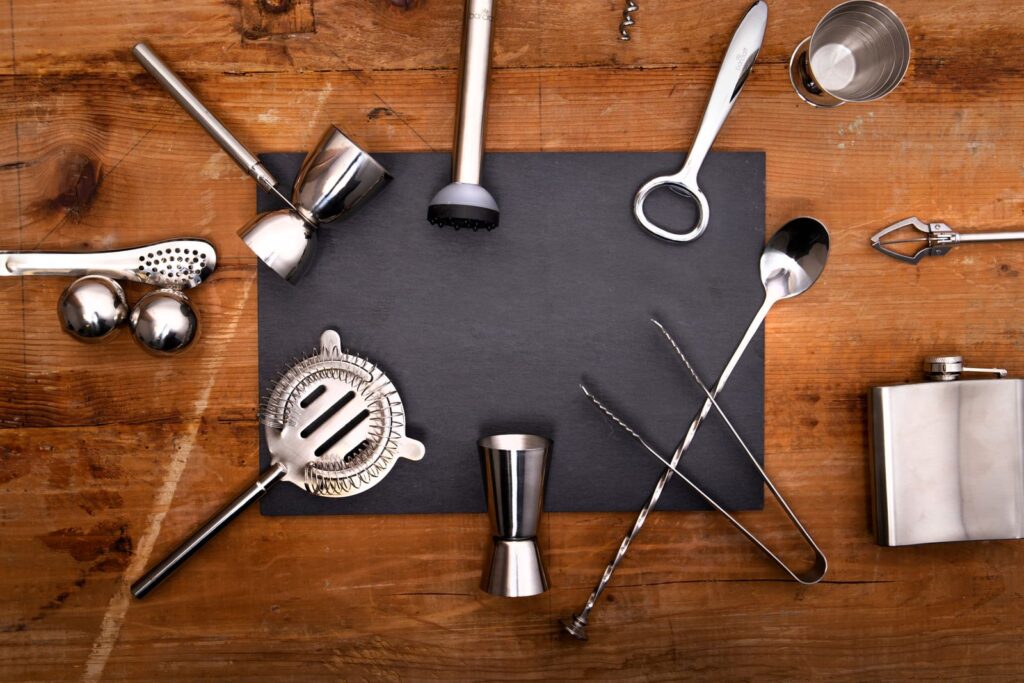
Bar supply shops will happily sell you a twenty piece kit. You need about five things, and you may own some of them already.
- A shaker. A two piece Boston shaker (a large metal tin and a smaller tin or glass) is what most bartenders use. It is cheap, easy to clean and seals well once you get the knack.
- A jigger. A double ended measure, usually 1 ounce on one side and 2 ounces on the other, or the metric equivalent. Measuring is the single biggest difference between a good drink and a bad one.
- A strainer. A Hawthorne strainer, the flat one with the spring, fits over the shaker tin and holds back the ice.
- A bar spoon. Long enough to reach the bottom of a mixing glass, for stirred drinks.
- A citrus juicer. A simple hand press. Fresh juice is not optional.
A mixing glass is nice to have for stirred drinks, but any sturdy pint glass will do. A sharp knife and a peeler for garnishes round out the kit.
Stock a small bar, not a big one
Buy bottles for the drinks you will actually make. A sensible starting bar looks something like this:
- One bourbon or rye whiskey for an Old Fashioned, a Manhattan or a Whiskey Sour.
- One London dry gin for a Gin and Tonic, a Martini or a Negroni.
- One white rum for a Daiquiri or a Mojito.
- Sweet vermouth and, if you like Martinis, dry vermouth. Both are wine based, so keep them in the fridge once opened and use them within a few weeks.
- Aromatic bitters. A small bottle lasts for months and appears in dozens of classic recipes.
- A bitter red aperitif if you want to make Negronis.
You do not need premium bottles. Solid mid priced spirits are made for mixing, and the most expensive bottles are better enjoyed neat.
Make your own simple syrup
Many recipes call for simple syrup, and it takes two minutes to make. Stir equal parts sugar and hot water until the sugar dissolves, let it cool, and keep it in a clean bottle in the fridge. It will last a couple of weeks. Once you have it, you can sweeten drinks precisely, which is much harder with granulated sugar.
Understand the sour formula
A huge family of classic cocktails follows the same basic structure: a spirit, something sour and something sweet. A common starting point is 2 parts spirit, 3/4 part fresh citrus juice and 3/4 part simple syrup. Shake that with ice and you have:
- A Daiquiri with white rum and lime.
- A Whiskey Sour with bourbon and lemon. Some people add egg white for a silky texture.
- A Gimlet with gin and lime.
Treat the ratio as a starting point. If your limes are very sharp or you like your drinks drier, pull the syrup back a little. Taste, adjust and write down what you like.
Shake or stir?
This is the question beginners ask most, and the rule is simpler than it sounds.
- Shake drinks that contain citrus juice, cream, egg or anything cloudy. Shaking mixes, chills, dilutes and adds air, which gives sours their lively texture. Fill the shaker with ice and shake hard for around 10 to 15 seconds, until the tin is painfully cold.
- Stir drinks made only of spirits, vermouths and bitters, like the Old Fashioned, Manhattan, Martini and Negroni. Stirring chills and dilutes while keeping the drink clear and silky. Stir with plenty of ice for around 20 to 30 seconds.
Ice is an ingredient
Ice is the most overlooked part of a home cocktail. Dilution is part of the recipe, not a mistake: the water from melting ice softens the alcohol and brings the flavors together. Use plenty of fresh, hard ice from a clean freezer, not the few tired cubes that have been absorbing freezer smells for a month. For drinks served on the rocks, a large cube melts more slowly and keeps the drink from getting watery. Silicone molds for big cubes are inexpensive and make a real difference.
Five classics to learn first
Master these five and you can handle most requests at a dinner party.
Old Fashioned
Stir 2 ounces of bourbon or rye with about 1/4 ounce of simple syrup and two dashes of aromatic bitters over ice. Strain over a large cube and express a strip of orange peel over the top by twisting it, so the oils spray across the surface.
Daiquiri
Shake 2 ounces of white rum, 3/4 ounce of fresh lime juice and 3/4 ounce of simple syrup with ice. Strain into a chilled coupe. Nothing like the frozen version, and one of the best tests of a home bartender.
Negroni
Stir equal parts gin, sweet vermouth and a bitter red aperitif, usually 1 ounce each, with ice. Strain over fresh ice and garnish with an orange slice or peel. Bitter, sweet and strong in perfect balance.
Whiskey Sour
Shake 2 ounces of bourbon, 3/4 ounce of fresh lemon juice and 3/4 ounce of simple syrup with ice. Strain over fresh ice. If you use egg white, shake first without ice to build the foam, then again with ice.
Manhattan
Stir 2 ounces of rye or bourbon, 1 ounce of sweet vermouth and two dashes of aromatic bitters with ice. Strain into a chilled glass and garnish with a cocktail cherry.
Small details that make a big difference
- Chill your glasses. Put them in the freezer for a few minutes, or fill them with ice water while you mix.
- Juice fresh, and juice on the day. Bottled juice tastes flat. Citrus juice is best within a few hours.
- Measure everything. Free pouring looks cool and produces inconsistent drinks.
- Taste before you pour. Dip a straw in, cap it with your finger and taste. It is the easiest way to catch a drink that is too sweet or too sour.
- Keep garnishes simple. A fresh citrus peel adds aroma. An elaborate garnish mostly adds work.
Drink well, not more
Making cocktails at home should be about quality, not quantity. Classic recipes are strong, so one or two carefully made drinks go a long way. Offer good non alcoholic options when you host, keep water on the table, and never let anyone who has been drinking drive home.
The short version
Buy a shaker, a jigger, a strainer, a spoon and a juicer. Stock a whiskey, a gin, a rum, vermouth and bitters. Make simple syrup, use fresh citrus and plenty of good ice, shake anything with juice and stir anything without. Learn five classics until you can make them without thinking. Like the idea in our piece on cooking one thing extremely well, a short list of drinks made properly beats a long list made badly.